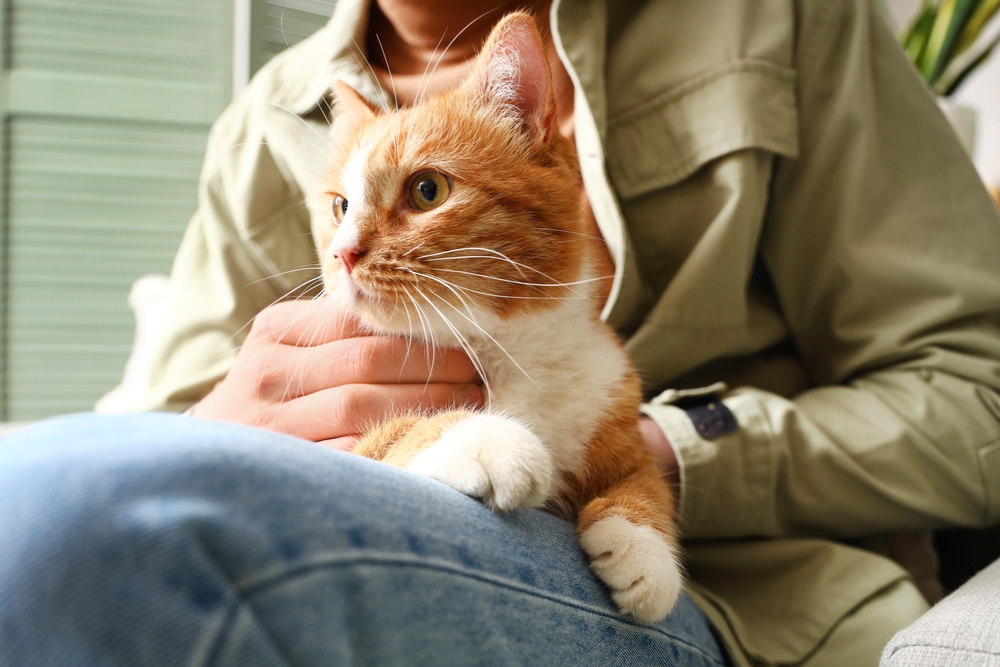
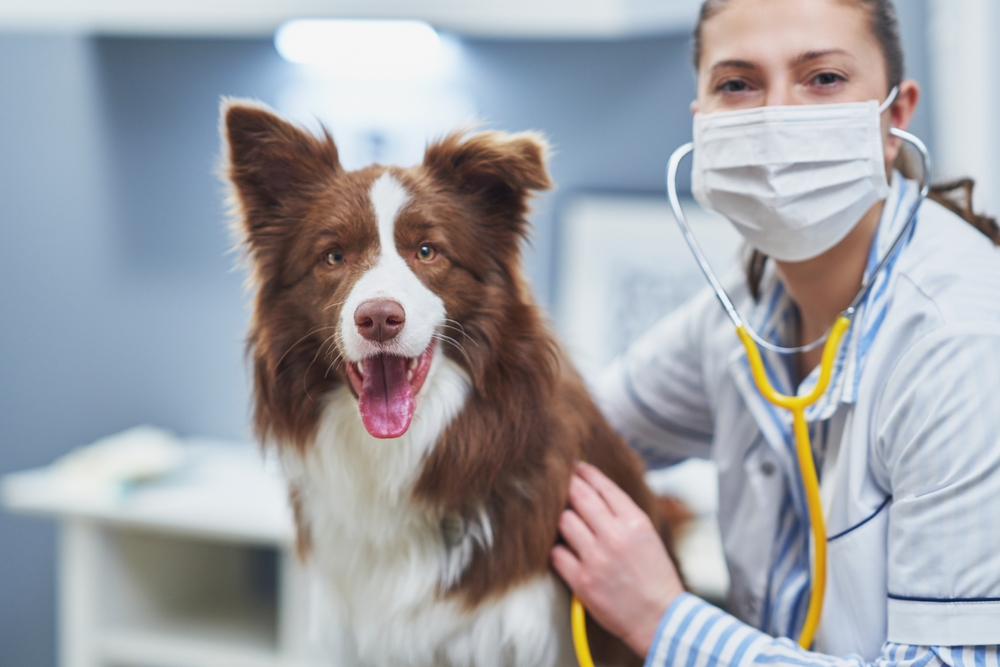
Few things are more stressful than learning your pet needs surgery. Dr. Symphony Roberson, DVM, and our team understand that completely because many of us are pet parents ourselves. We take that responsibility seriously, which is why we pair surgical skill with honest communication and genuine compassion at every stage of care. You’ll always know what’s happening, what to expect next, and who to call if something comes up. Your pet is in caring, capable hands here at Eastwaye Veterinary Clinic.
Surgery
Common Reasons Pets Require Surgery
Pets need surgery for many different reasons, and not all of them are emergencies. Planned procedures like spaying, neutering, and declawing are among the most common, and they play an important role in your pet’s long-term health. Other situations such as internal injuries, wound and laceration repair, or the removal of a growth require prompt surgical attention to prevent the condition from getting worse.
Some signs that your pet may need surgical evaluation include persistent pain, visible swelling or wounds, difficulty moving, or a sudden change in eating and bathroom habits. Your veterinarian will assess your pet thoroughly before recommending surgery, making sure it’s the most appropriate course of action. Not every health issue requires an operation, but when surgery is the right call, acting on it quickly gives your pet the best chance at a full recovery.

Benefits of Veterinary Surgery
Addresses Health Problems That Medication Alone Cannot Fix
Some conditions simply cannot be resolved with drugs or non-invasive treatments. Surgery gives our team the ability to directly treat the source of the problem, whether that’s removing a mass, repairing a torn ligament, or addressing internal trauma. For many pets, surgical intervention is the most effective path to a full recovery.
Relieves Chronic Pain and Discomfort
Pets can’t always tell you when they’re hurting, but certain conditions cause ongoing pain that impacts their daily life. Surgical correction of these issues can bring lasting relief that improves your pet’s mood, mobility, and overall well-being. You’ll often notice a significant change in your animal’s energy and behavior following a successful procedure.
Prevents Further Complications or Disease Progression
Delaying a necessary surgery can allow a condition to worsen, sometimes leading to more complex health issues down the road. Acting promptly gives your pet the best chance of a smooth recovery while reducing the risk of secondary problems developing. Early surgical treatment often leads to shorter recovery times and better long-term outcomes.
Extends and Improves Your Pet's Quality of Life
A successful surgery can add meaningful, comfortable years to your pet’s life. Procedures like spaying and neutering also contribute to long-term health by reducing the risk of certain cancers and infections. When performed by an experienced veterinary team, surgery is a powerful tool for keeping your companion healthy and happy for years to come.
Provides Immediate Intervention in Emergency Situations
When a pet suffers a sudden injury or develops an acute health crisis, surgery can be life-saving. Our team is equipped to respond quickly and efficiently in urgent cases, prioritizing your pet’s stability and survival. Even in emergencies, we stay committed to communicating with you clearly throughout the entire process.
How We Care for Your Pet Before, During, and After Surgery
Why Choose Our Approach to Veterinary Surgery
Choosing the right clinic for your pet’s surgery is one of the most important decisions you’ll make as a pet owner. At Eastwaye Veterinary Clinic, our approach is built on a combination of clinical skill, genuine compassion, and open communication. We understand that handing over your pet for a surgical procedure takes trust, and we work hard every day to earn and maintain that trust. Our team doesn’t just see patients; we see beloved members of your family.
Dr. Symphony Roberson, DVM, leads a veterinary team that stays current on best practices in surgical techniques and post-operative care. We take the time to explain each step clearly, answer every question you have, and follow up thoroughly after your pet goes home. Whether your pet needs a routine procedure or a more complex intervention, we approach every case with the same level of care and attention.

Trusted Surgery Care Is One Appointment Away
Your pet can’t choose their own doctor, but you can. If surgery has been recommended or you’re concerned about your pet’s health, don’t wait. Dr. Symphony Roberson, DVM, and our team at Eastwaye Veterinary Clinic are ready to answer your questions, walk you through your options, and make sure your animal gets the attentive, skilled care they need. Stay in the loop on our Facebook and Instagram pages, where we regularly share pet health tips and clinic updates. We are always available at 919.778.3058 when you need us; reach out today to get started.
![]()
FAQs
Does pet insurance cover surgery?
Many pet insurance plans do cover surgical procedures, though coverage varies depending on your specific policy and provider. Most plans cover medically necessary surgeries, while some exclude pre-existing conditions or elective procedures. We recommend reviewing your policy details before your appointment so you understand what’s included. Our team is happy to provide documentation to support your insurance claim.
Can a dog have water before surgery?
In most cases, dogs should not have access to water for a certain period before surgery, typically starting the night before or early the morning of the procedure. This fasting period reduces the risk of complications related to anesthesia, such as aspiration. Your veterinary team will provide you with specific fasting instructions based on your dog’s size, age, and the type of surgery planned. Always follow these instructions carefully to help ensure a safe procedure.
How much is surgery for a dog?
The cost of dog surgery varies widely depending on the type of procedure, the complexity of the case, and any additional care required before or after the operation. Routine surgeries such as spaying or neutering tend to be more affordable, while emergency or specialized procedures may involve higher costs. During your initial consultation, we’ll provide a clear breakdown of expected fees so there are no surprises. We can also discuss payment options to help make care accessible.
Can cats have water before surgery?
Similar to dogs, cats are generally advised to fast from water for a set period before their surgical procedure. Withholding food and water before anesthesia reduces the risk of serious complications during surgery. Your veterinarian will give you clear, specific instructions based on your cat’s individual health profile and the nature of the procedure. Following these guidelines carefully is one of the most important things you can do to keep your cat safe.
How much does cat surgery cost?
Cat surgery costs depend on the type of procedure, the level of anesthesia required, and any pre- or post-operative care involved. A straightforward procedure like spaying typically costs less than a complex soft tissue or emergency surgery. We believe in transparent pricing, so we’ll walk you through an estimate during the consultation before anything is scheduled. Investing in your cat’s surgical care now can prevent far more significant health and financial costs later.