Dentistry

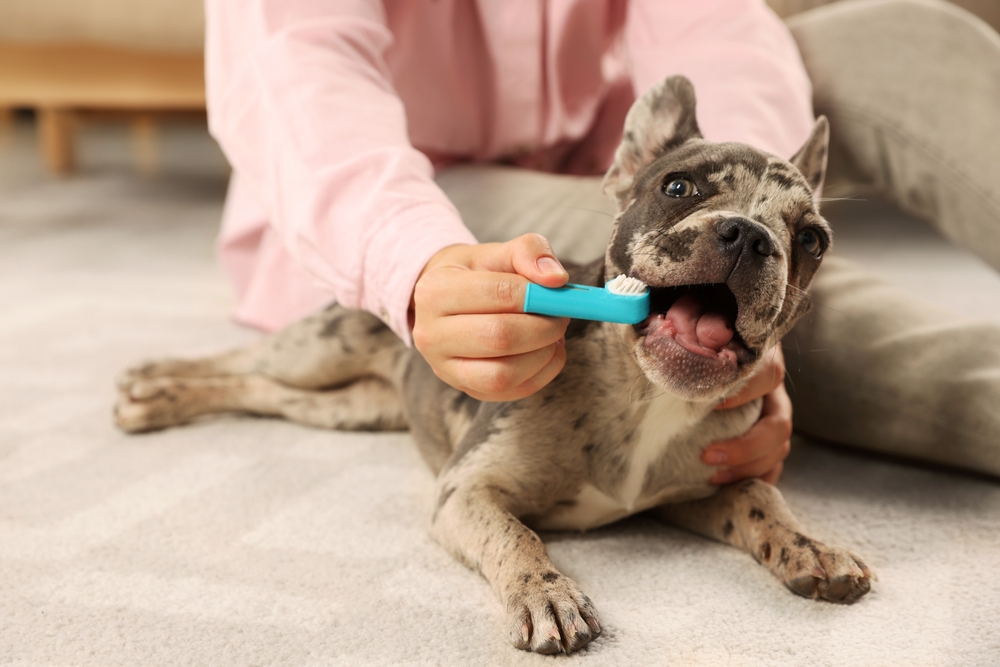
Most pet owners stay on top of vaccines, nutrition, and regular checkups, but dental health often gets overlooked until something goes wrong. At Eastwaye Veterinary Clinic, Dr. Symphony Roberson, DVM, and the team treat veterinary dentistry as an essential part of your pet’s care, not an optional add-on.

Untreated dental disease is one of the most common health problems seen in dogs and cats, and it can silently progress into infections that affect the kidneys, heart, and liver. Getting your pet’s teeth examined and cleaned regularly is a straightforward step that can make a real difference in how long and how well they live.

Request Appointment

Vets in Goldsboro NC

Signs Your Pet May Have a Dental Problem

Pets rarely show obvious pain, which makes dental disease easy to miss. Some of the most telling signs include bad breath that doesn’t go away, excessive drooling, reluctance to chew on toys or rawhide, and difficulty picking up or chewing food. In some cases, there are no visible symptoms at all. Your pet may appear completely normal while a painful infection develops below the gumline.

Foul breath is often the first clue pet owners notice, and while it’s easy to dismiss, it’s rarely just a quirk. It typically signals a buildup of bacteria that’s already affecting the gums or teeth. Other red flags include pawing at the mouth, dropping food while eating, or a sudden loss of interest in meals. If you’ve noticed any of these changes in your dog or cat, a dental exam is the right next step.

Benefits of Veterinary Dentistry

Reduces Pain and Discomfort Your Pet May Be Hiding

Pets instinctively conceal pain, so dental disease often progresses silently. Professional dental care helps identify and address sources of discomfort like infected gums or damaged teeth before they worsen. When oral pain is resolved, you’ll likely notice your pet eating better, playing more, and behaving with renewed energy and ease.

Prevents the Progression of Gum and Periodontal Disease

Periodontal disease is the most common dental condition seen in cats and dogs, and it’s entirely preventable with consistent care. Tartar buildup below the gumline triggers inflammation and infection that gradually destroys the tissue and bone supporting the teeth. Routine cleanings remove this buildup and stop the cycle before it leads to permanent tooth loss or deeper health complications.

Protects Vital Organs from Infection

Oral bacteria don’t stay in the mouth. When dental disease is left untreated, bacteria can enter the bloodstream and travel to the heart, liver, and kidneys, causing damage that can shorten your pet’s life. Veterinary dentistry serves as a frontline defense against these systemic infections, protecting far more than just the teeth and gums.

Identifies Oral Health Issues Before They Escalate

A professional dental exam gives the veterinary team a close look at structures that aren’t visible during a routine wellness visit. Oral tumors, fractured teeth, and bone loss can all be caught early through dedicated dental assessments. Early detection makes treatment simpler, less invasive, and significantly more successful.

Supports a Better Quality of Life at Every Age

A pet that’s free from dental pain eats more comfortably, sleeps better, and engages more readily in daily activities. Whether you have a playful puppy or a senior cat, maintaining good oral health contributes directly to their happiness and longevity. Investing in dental care is one of the most impactful things you can do for your pet’s overall well-being.

Why Choose Our Approach to Pet Dentistry

When it comes to your pet’s dental care, experience and a genuine commitment to animal health make all the difference. At Eastwaye Veterinary Clinic, veterinary dentistry is approached with the same thoroughness and compassion applied to every aspect of patient care. The team takes time to explain what they find, what it means, and what options are available, so you’re never left guessing about your pet’s health.

Dr. Symphony Roberson, DVM, and the staff recognize that dental procedures can feel intimidating for pet owners, especially when anesthesia is involved. That’s why every precaution is taken to ensure your pet is safe, monitored, and comfortable throughout the entire process. From the initial exam through post-procedure follow-up, you can expect clear communication, attentive care, and a team that truly has your pet’s best interests at heart.

A Single Dental Visit Could Add Years to Your Pet’s Life!

Dental disease doesn’t pause, and the longer it goes unaddressed, the harder it becomes to treat. If your dog or cat hasn’t had a dental exam this year, that’s the place to start. Dr. Symphony Roberson, DVM is here to make the process straightforward, stress-free, and worth it for both you and your pet.

The front desk is ready for you at 919.778.3058, and getting your pet’s dental appointment on the calendar is the most direct thing you can do for their health today. Eastwaye Veterinary Clinic is also active on Facebook and Instagram, a good place to stay in the loop on pet health tips and clinic news.

Request Appointment

Vets in Goldsboro NC

FAQs

Does pet insurance cover dental?

Coverage varies depending on your specific insurance plan and provider. Many pet insurance policies cover dental cleanings and procedures when they’re deemed medically necessary, such as treating periodontal disease or performing extractions. Cosmetic or elective dental procedures are typically excluded. It’s best to review your policy details or contact your insurer directly to confirm what’s included under your current plan.

How much is a dog's dental cleaning?

The cost of a dog’s dental cleaning depends on factors like your pet’s size, the extent of tartar buildup, whether X-rays are needed, and if any extractions are required. Because cleanings are performed under anesthesia, pre-anesthetic bloodwork is often recommended as well, which can affect the total. Your veterinary team will provide a detailed estimate before any procedure so you know exactly what to expect.

How long does a dog's dental cleaning take?

A routine dog dental cleaning typically takes between one to two hours from start to finish, including anesthesia induction and recovery time. If significant tartar removal, X-rays, or extractions are involved, the process may take longer. Your pet will be carefully monitored throughout the procedure and during recovery before being cleared to go home.

Do cats need dental cleaning?

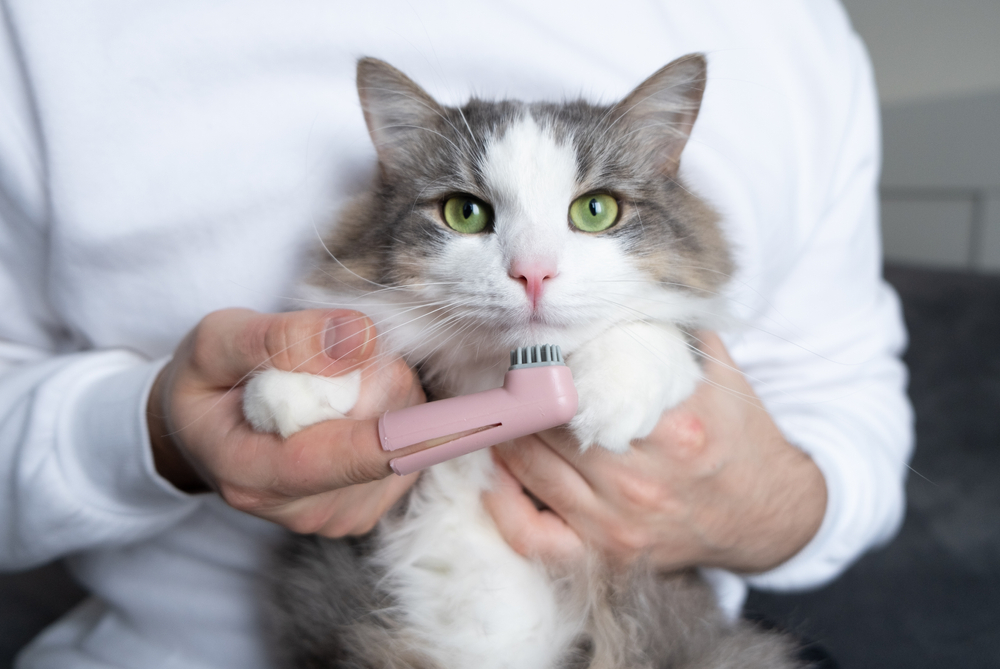
Yes, cats absolutely need dental cleanings. In fact, dental disease is one of the most commonly diagnosed conditions in cats, with many developing signs of it by the time they’re three years old. Without regular professional cleanings, plaque and tartar accumulate, leading to gum disease, tooth loss, and potentially serious systemic health issues. Routine dental care is just as essential for cats as it is for dogs.

How often do cats need dental cleaning?

Most cats benefit from a professional dental cleaning once a year, though some may need more frequent care depending on their individual oral health status, diet, and genetics. Your veterinarian will assess your cat’s teeth during wellness exams and recommend a cleaning schedule that fits their specific needs. Pairing annual cleanings with consistent at-home brushing is the most effective way to maintain your cat’s oral health long-term.